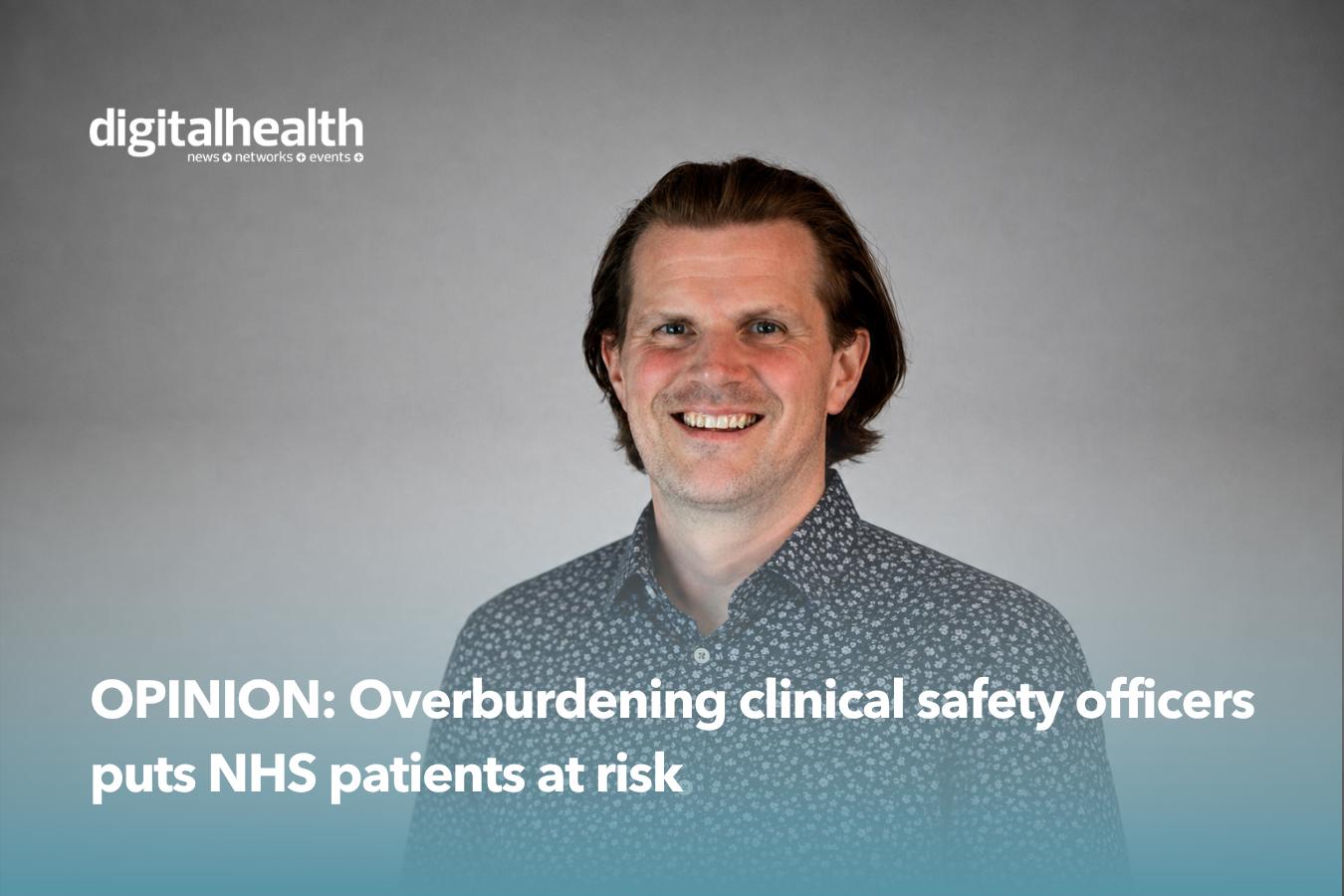
— By Dean Mawson, Clinical Director and Founder of DPM Digital Health Consultancy
NHS England has published its revised Level 3 curriculum for Digital Clinical Safety Officer Practitioner training. I have been through all ten modules and set them against how we train Clinical Safety Officers (CSOs)at DPM Digital Health Consultancy.
Some context first. We do run a competing course and mentoring programme, so weigh my view accordingly. I also have real sympathy for a team asked to deliver national training with limited resources, so this is not a pile-on.
But Clinical Safety Officers sign off safety cases for systems used in patient care, so I think it is fair to challenge what we ask them to learn, and in how long.
What I do think the curriculum does well is having a coherent core on hazards and risk evaluation, supplier test evidence, CSCR critique, PSIRF and “Being Fair”, and CSO independence.
But the list of what I think it missing is a little longer…
- Let’s start with the numbers. They don’t add up to me.
The NHSE course runs on a single day from a 9.15 registration to a 3pm finish. That is 5 hours 45 minutes on the clock. Ten modules works out at under 35 minutes each, and that is before lunch and breaks come out.
How do you cover the content for all ten modules in that time? Covering the fundamentals is necessary, but where is the time for open discussion and interactive participation?
I’m sure NHSE’s answer will be that the theory sits in the level 1 and 2 e-learning and the in-person day is for practice. That is fair. But then the curriculum should say what it assumes, and today it does not. - The word governance does not appear anywhere in the guidance.
Nor do Top Management, Clinical Safety Group, or resourcing. Yet DCB0160 makes Top Management the decision maker on residual risk at go-live? - Procurement is not mentioned, although DCB0160 says health organisations must ensure the manufacturer complies with DCB0129.
National data published last year found 70.1% of reported digital health technology deployments in NHS organisations had no documented assurance. That gap opens at the front door and needs addressing. - Decommissioning.
One learning outcome, with the skill framed as “contributes to” a safety assessment. Credit where due, it includes a decommissioning CSCR. But cut-over, legacy access and who owns incidents after switch-off is where health organisations get caught out. - NHSE templates.
The need for best practice templates to back up the training which the hazard and risk modules feed straight into. These skills are important, but they are built best with good templates and mentorship by an experienced CSO, and the curriculum describes neither.
Of course, we’re not perfect either, but we are working on improvements to our course based on this review.
So, a question: if you were designing a new CSO’s first year, what would you keep in the training day, and what would you hand to a mentor to support moving forward?
Send us an email and we’ll review every answer!